
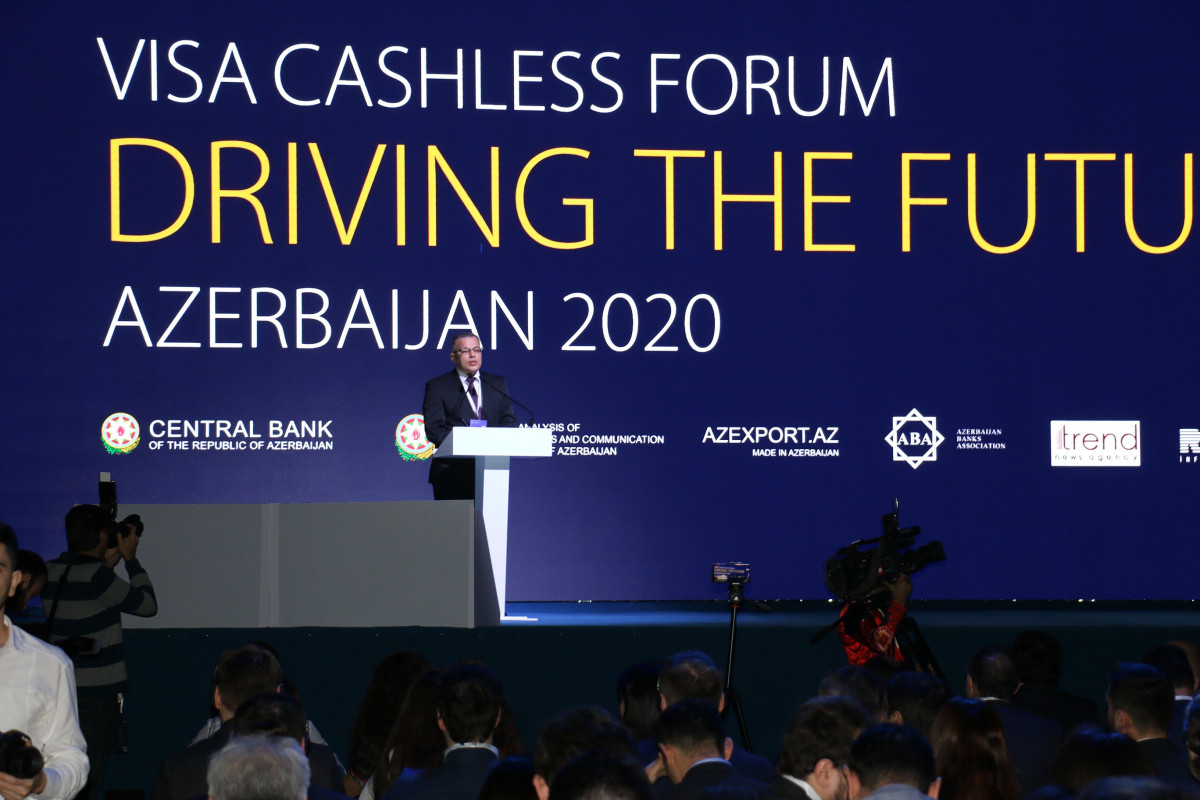
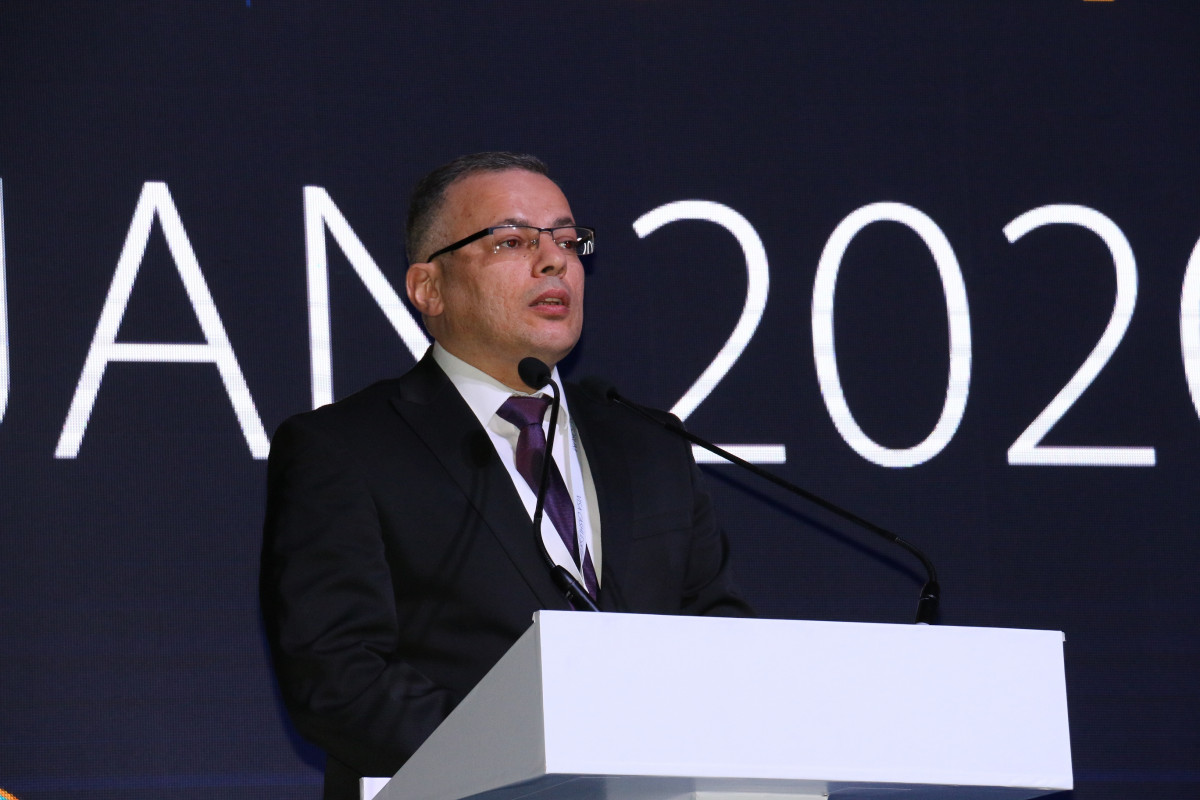
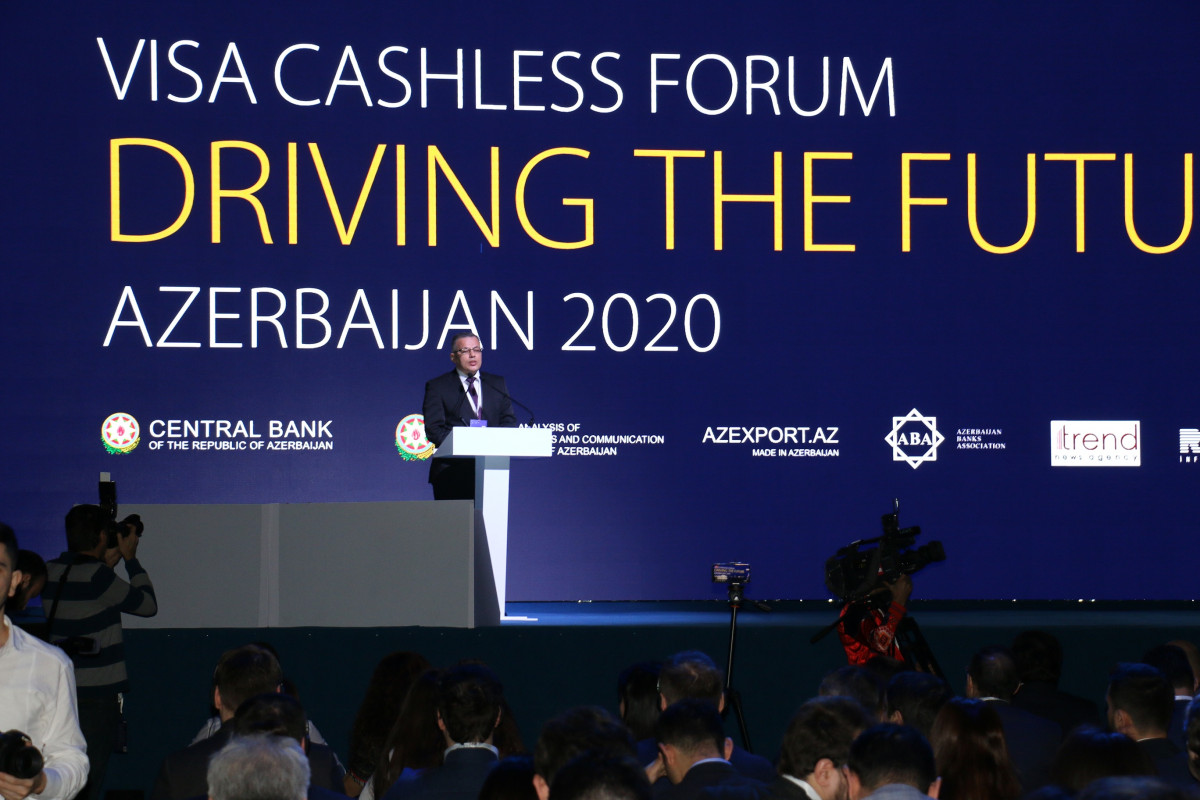
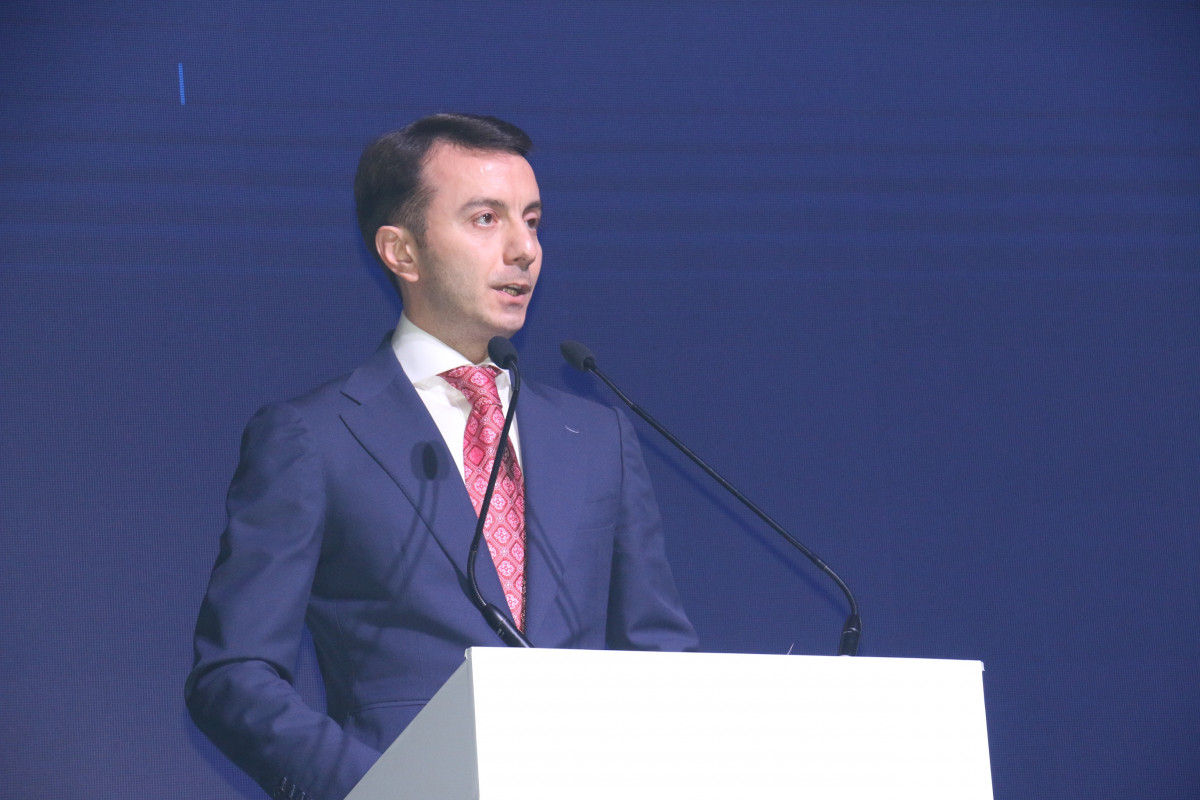
Vusal Gasimli: E-commerce in Azerbaijan Doubled in the Past Year
he growth of global payment revenues—11% in 2017 and 6% in 2018—significantly exceeded the global economic growth rate. According to the Worldpay report, by 2022, the global e-commerce volume is expected to surpass $4.6 trillion using 140 online payment systems. Currently, payment methods worldwide include credit and debit cards, prepaid cards, e-wallets, online banking, direct debit, buy-now-pay-later options, cash, direct carrier payments, and cryptocurrencies. Even a 1% increase in digital payments globally can boost consumer spending by $104 billion.
Key national documents supporting digital payment development in Azerbaijan include the Strategic Roadmap for the Development of Telecommunications and Information Technologies and the State Program on Expansion of Digital Payments in 2018–2020. The Center for Analysis of Economic Reforms and Communications (CAERC) currently monitors and evaluates the implementation of both documents. As a result of the State Program, the annual volume of cashless payments could increase by approximately 17 billion AZN, allowing the share of cashless payments to grow by 7% annually. Consequently, the share of cash in overall economic transactions is expected to decrease from 74% to 40%.
Although interbank settlements under the National Interbank Settlement System decreased last year, transfers via the Small Payments Clearing System and Fast Money Transfer Systems increased. Overall, the number of transactions in payment and money transfer systems in Azerbaijan grew by 40% in 2019. The number of payment cards rose by 11.2%, reaching 7.3 million. Transactions via debit and credit cards increased by 38% in number and 31% in value. In 2019, domestic cashless payments for e-commerce transactions increased by 67% in number and 97% in value. For the first time in history, the volume of e-commerce in Azerbaijan reached a record level.
According to UNESCAP calculations, Azerbaijan is a regional leader—from Southern Europe to China—in paperless trade and trade facilitation. Although cashless payments via ATMs slightly decreased in the past year, POS terminal payments grew by up to 20%. However, the expansion of ATMs and POS terminals remains slow, with a decline observed especially in regional areas.
Recent amendments to the Tax Code introduce next-generation control-cash devices integrated with electronic information systems to improve digital tax administration. Citizens making cash or cashless payments in retail or catering sectors can receive tax incentives on a portion of the paid tax, encouraging cashless transactions.
Leading in electronic exports, the Azexport.az portal has facilitated export orders exceeding $1.5 billion over the past three years. Azerbaijan is also actively developing digital payment systems in areas such as instant payment systems, smart student cards, contactless rail fare payments, and cashless public transport operations.
Related news

A representative of the CAERC participated in a conference dedicated to the future…
Rashad Najafli, Deputy Director of the Economic Analysis Department of the Center for Analysis of Economic Reforms and Communication (CAERC), participated in the international conference on “New Challenges in Maintaining Financial…

New Opportunities in Technology Parks: Commercialization and Export of Innovations
The Decree of the President of the Republic of Azerbaijan dated October 22, 2026 on Amendments to the “Model Regulation on Technology Parks” provides for important innovations in terms of improving the activities of technoparks,…

Vusal Gasimli spoke at the opening of the Islamic Finance Forum
Vusal Gasimli, Executive Director of the Center for Analysis of Economic Reforms and Communication (CAERC) — a Doctor of Economic Sciences and Professor — delivered a speech at the opening ceremony of the "3rd Islamic…

CAERC expands cooperation with think tanks and universities in Uzbekistan
Ilyas Huseynov, Head of the Turkic World Research Center (TWRC) at the Center for Analysis of Economic Reforms and Communication (CAERC), held meetings with representatives from think tanks and higher education institutions, and delivered…

Meetings regarding preparations for the final monitoring and evaluation of the Socio-Economic…
The Center for Analysis of Economic Reforms and Communication (CAERC) has concluded a series of meetings with representatives from relevant government agencies. These meetings were held to refine outcome indicators for the year 2026—within…

The investment portfolio of “Enterprise Azerbaijan”’s partners exceeds 3 billion…
The global innovation program “Startup School 4: Five Continents – 500 Startups,” implemented by the “Enterprise Azerbaijan” portal of the Center for Analysis of Economic Reforms and Communication (CAERC),…

The establishment of the Karabakh National Park creates new opportunities for ecological…
The Order of the President of the Republic of Azerbaijan, Ilham Aliyev, dated October 20, 2026, "On the Establishment of the Karabakh National Park of the Republic of Azerbaijan," is regarded as a significant step toward…

World Bank: Azerbaijan’s strong financial buffers support economic stability and…
The "Europe and Central Asia Economic Update" and the "Macro-Poverty Outlook" for Azerbaijan, published by the World Bank in October 2026, indicate that the country has maintained its macroeconomic stability, strong…
Op-eds
Ilkin Gasimov
Chief advisor of the Economic analysis division
New Financial Model for Resource Allocation in General Education
Baghish Ahmadov
Advisor to the Executive director of the Center for Analysis of Economic Reforms and Communication
Azerbaijan International Investment Forum: Investment Cooperation and National Development Priorities
Abdulrahim Dadashov
Deputy head of the Monitoring and evaluation division
Environmental Responsibility is One of the Key Conditions in the Development of the Mining Industry
Latif Zeynalli
Head of State Programs Division
Development of Competition Will Create New Opportunities for Sustainable Economic Growth
Orkhan Sadigov
Head of the Monitoring and evaluation division
A New Approach to Managing Off-Budget Funds Will Strengthen Financial Discipline
Elshan Yusifli
Head of the Monitoring of sectoral programs sector
New Changes to Nakhchivan’s State Programme: Export, Logistics and Social Mechanisms Improved
Abdulrahim Dadashov
Deputy head of the Monitoring and evaluation division
New Law Strengthens the Sustainable Development and Digital Monitoring of the Fisheries Sector