
The new healthcare management model aims to improve the quality and accessibility of healthcare services.
The Decree “On a Number of Measures Related to the Improvement of Management in the Healthcare Sector,” signed by President of the Republic of Azerbaijan Ilham Aliyev on 19 October 2026, represents the next stage of reforms in healthcare management in the country. According to the Decree, the Management Union of Medical Territorial Units (TABIB) is transferred under the authority of the Ministry of Health of the Republic of Azerbaijan. This decision is important in terms of strengthening the link between state healthcare policy and the organisation of medical services.
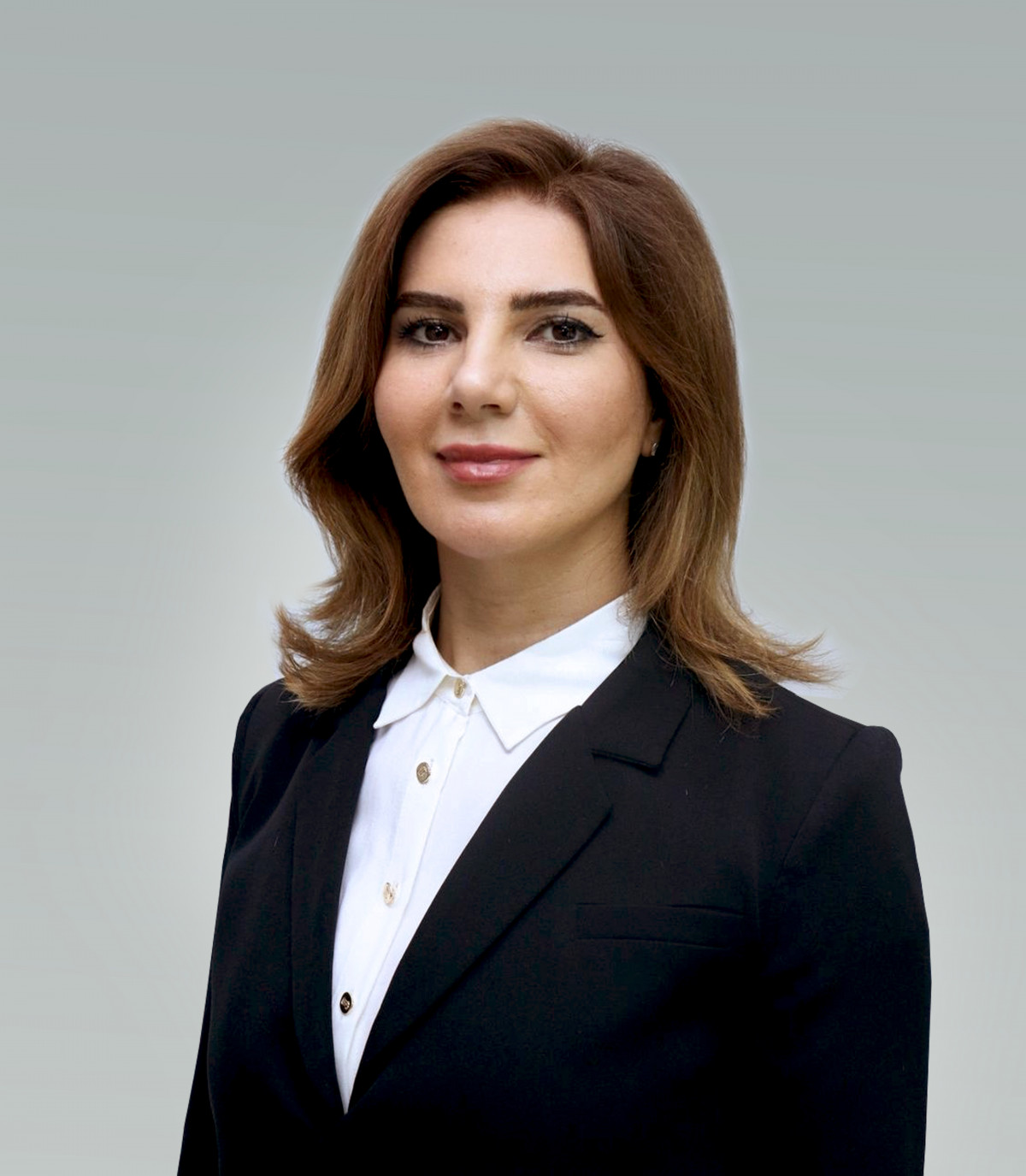
According to Sevinj Jabbarova, an employee of the Monitoring and Evaluation Division of the Center for Analysis of Economic Reforms and Communication (CAERC), the new approach is not limited to changing the subordination of a single institution. The Decree provides for the transfer of TABIB’s rights, obligations and property to a new legal entity, the management of its day-to-day activities by its Management Board, and the continuity of operations during the transition period. Thus, the organisational change is accompanied by a clear legal and institutional mechanism.
This step can be considered a logical continuation of the reforms implemented in the healthcare system in recent years. The establishment of TABIB in 2018 created a new organisational framework for the management of medical institutions. Subsequently, under the Presidential Decree dated 19 March 2026, responsibilities related to compulsory health insurance were assigned to the Ministry of Labour and Social Protection of Population, and the establishment of the State Agency for Medical Insurance and Expertise under this ministry was envisaged. The Agency was assigned functions related to the management of the compulsory health insurance fund, the centralised purchasing of medical services and the reimbursement of expenses. The October Decree, which places TABIB under the authority of the Ministry of Health, further clarifies the new institutional division of responsibilities among healthcare policymaking, the organisation of medical services and insurance financing.
According to Sevinc Jabbarova, the advantage of this functional division lies in the opportunity to align different management decisions with common healthcare priorities. Taking information about the performance of medical institutions, staffing needs, infrastructure and the healthcare service network into account when developing policies can help ensure more targeted resource planning. At the same time, coordination must be maintained between insurance financing mechanisms and the actual delivery of medical services. Clearly defined responsibilities, information exchange between institutions and the uninterrupted provision of services will be essential conditions for implementing the new model.
The reform is also linked to the objective of “Healthy Lifestyle of Citizens” set out in the Socio-Economic Development Strategy of the Republic of Azerbaijan for 2022–2026. Priorities in this area include strengthening primary healthcare services, developing the family doctor system, protecting maternal and child health, preventing diseases and detecting them at an early stage, ensuring adequate medical staffing, and improving the quality and accessibility of healthcare services. The new management framework can support inter-institutional coordination and needs-based decision-making in implementing these measures.
The practical significance of these changes will primarily be reflected in citizens’ access to healthcare services. Proper referral of patients between primary healthcare and specialised medical care, the allocation of healthcare professionals across regions according to needs, and the organisation of appointments and medical examinations are particularly important in this regard. Strengthening digital healthcare solutions and information exchange between medical institutions could also enable more coordinated service delivery and data-driven management decisions.
Continuous monitoring will play an important role in assessing the actual results of the new model. Indicators such as waiting times for doctor appointments and diagnostic examinations, coverage of primary healthcare services, staffing levels in the regions, the efficiency of patient referral systems, the performance of medical institutions and patient satisfaction can be monitored for this purpose. Such an assessment will help determine the impact of organisational changes on actual healthcare outcomes and identify areas requiring additional adjustments in a timely manner.
Overall, placing TABIB under the authority of the Ministry of Health is part of the broader reforms aimed at restructuring healthcare management mechanisms and clarifying the division of responsibilities between institutions. The effectiveness of this approach will be measured not only by the implementation of institutional changes but also by improvements in the accessibility, quality and continuity of healthcare services.
Related news

An event dedicated to the Day of Restoration of Independence - October 18, was held…
An educational meeting titled “Azerbaijan’s State Independence Is Eternal, Primordial and Irreversible” was held at the Center for Analysis of Economic Reforms and Communication on the initiative of Reform Volunteers…

The Head of the Center for Turkic World Studies at the CAERC delivered a speech…
Ilyas Huseynov, Head of the Center for Turkic World Studies (CTWS) at the Center for Analysis of Economic Reforms and Communication, delivered a presentation at an international scientific and academic symposium entitled “Artificial…

Training on the “Project Management” module of the “e-Monitoring” portal has been…
The training sessions on the implementation and use of the “Project Management” module of the “e-Monitoring” portal, organised by the Center for Analysis of Economic Reforms and Communication (CAERC) for institutions…

All information about the “Startup School 4” - “Demo Day” event is available at…
The final event of the global innovation program “Startup School 4: Five Continents – 500 Startups” of the “Enterprise Azerbaijan” portal of the Center for Analysis of Economic Reforms and Communication…

CICA: From economic connections to sustainable development in Asia – the strategic…
In a period when the centers of economic power in Asia are changing, the strategic importance of transport corridors is increasing, and digital transformation is reshaping economic relations, the role of multilateral cooperation platforms…

Training on the "Project Management" module continues at the CAERC
The Center for Analysis of Economic Reforms and Communication (CAERC) continues training on the application and use of the “Project Management” module of the “e-monitoring” portal for institutions implementing…

Indicative planning under the State Program for the Development of Mining and Metallurgical…
The Center for Analysis of Economic Reforms and Communication (CAERC) held a meeting with representatives of implementing agencies to conduct indicative planning for the implementation of the “State Program on the Development…

A representative of the CAERC spoke at a session held within the framework of the…
The next event was held in Shamakhi within the framework of the “digital.leadership” program of the Innovation and Digital Development Agency. The Center for Analysis of Economic Reforms and Communication (CAERC) was represented…
Op-eds
Ilkin Gasimov
Chief advisor of the Economic analysis division
New Financial Model for Resource Allocation in General Education
Baghish Ahmadov
Advisor to the Executive director of the Center for Analysis of Economic Reforms and Communication
Azerbaijan International Investment Forum: Investment Cooperation and National Development Priorities
Abdulrahim Dadashov
Deputy head of the Monitoring and evaluation division
Environmental Responsibility is One of the Key Conditions in the Development of the Mining Industry
Latif Zeynalli
Head of State Programs Division
Development of Competition Will Create New Opportunities for Sustainable Economic Growth
Orkhan Sadigov
Head of the Monitoring and evaluation division
A New Approach to Managing Off-Budget Funds Will Strengthen Financial Discipline
Elshan Yusifli
Head of the Monitoring of sectoral programs sector
New Changes to Nakhchivan’s State Programme: Export, Logistics and Social Mechanisms Improved
Abdulrahim Dadashov
Deputy head of the Monitoring and evaluation division
New Law Strengthens the Sustainable Development and Digital Monitoring of the Fisheries Sector